Northern lights
Northern lights tours: Norway, Swedish Lapland, Iceland or Yellowknife
Our four winter trips compared: how many nights you spend under the sky, how cold it gets, when to go, and what else each trip does.
The northern lights need three things at once: a dark sky, a clear sky and enough activity from the sun. No tour controls the last two. What a tour can control is where you stand, for how many nights, and what you do with the days in between. Our four winter trips answer those questions very differently, so this guide puts them side by side.
The four trips at a glance
Four northern lights trips side by side
From each trip page and our trips list. Temperatures are average daily highs and lows in our departure months, from the national weather services via the World Meteorological Organization (Yellowknife 1971–2000, Kiruna 1991–2020, Tromsø and Reykjavík 1961–1990).
| Yellowknife, Canada | Swedish Lapland | Norway (Tromsø) | Iceland | |
|---|---|---|---|---|
| Length | 5 days, 4 nights | 7 days, 6 nights | 7 days, 6 nights | 8 days, 7 nights |
| Aurora nights planned | 4 nights | 2 nights at an aurora camp | 3 guided chases | 1 four-hour tour |
| How you look | Aurora lodge and aurora tours | From lakeside cabins at the camp | Minibus chases, up to 10 hours | Tour to dark-sky areas |
| Our 2026–27 months | Dec, Jan, Feb, Mar | Dec, Mar | Mar | Mar |
| Average high | −11 to −23 °C | −3 to −6 °C | −0.4 °C | 3 °C |
| Average low | −23 to −31 °C | −12 to −14 °C | −5 °C | −2 °C |
| What else you do | Ice fishing, snowmobile, dog sledding | Icebreaker, sleeper train, IceHotel | Whale watching, dog sled, snowmobile | Golden Circle, ice cave, glacier hike |
| Where you sleep | 4-star hotel, two to a room | Hotels, lakeside cabins, a night train | 3-star hotel, twin-sharing | Hostel, four-person rooms |
| Pace | Basic fitness | Relaxed | Moderate | Relaxed |
| Fly into | Yellowknife (YZF) | Stockholm Arlanda (ARN) | Tromsø | Keflavík (KEF) |
21 Nov 2026
Yellowknife costs from SGD 2,019, Swedish Lapland from SGD 4,259, Norway from SGD 5,669 and Iceland from SGD 4,729. International flights are extra on all four. Yellowknife is the shortest and the cheapest, and the only one where the aurora gets every night of the trip.
When to go: the season, the hour and the moon
The lights only show in a dark sky, so the season follows the long nights:
- Norway: late August to late March, according to Visit Norway, which adds that March–April and September–October have the most aurora activity on average.
- Swedish Lapland: September to late March, according to its tourist board.
- Yellowknife: two seasons, mid-August to the end of September and mid-November to early April, according to the Northwest Territories' tourism board. Destination Canada says February to the end of March has some of the best winter viewing.
- Iceland: the Icelandic Met Office puts it simply: the aurora needs dark and partly clear skies.
Our next departures run from early December to late March, within those seasons. On the night itself, Visit Norway puts the peak often between 11pm and 2am, and Swedish Lapland's board says 9pm to 2am.
The moon
Swedish Lapland's tourist board counts the full moon as light pollution, along with streetlights. A departure near a new moon gives you darker nights. The US Naval Observatory puts this season's full moons on 24 December, 22 January, 20 February and 22 March, so compare them with your dates in the trip list.
How to raise your odds
Nobody can promise the northern lights, and our Yellowknife trip page says plainly that sightings "cannot be guaranteed". These five things are in your hands.
-
Give it several nights
The Northwest Territories' tourism board puts your chance of seeing the aurora over three nights in season at 98%. So count the aurora nights on each trip, not the days.
-
Stay up late
Plan to be outside from about 9pm to 2am. On the Norway trip a chase can run until 4am, so rest in the afternoon on chase days.
-
Check the cloud forecast as well as the aurora forecast
The Icelandic Met Office forecast maps cloud cover next to aurora activity on a scale of 0 to 9. Clear sky matters as much as activity. On the Norway trip, the guides drive the minibus to the best spots they can find that night.
-
Get away from lights
Each trip watches from somewhere dark: an aurora lodge in Yellowknife, lakeside cabins at Aurora Camp Kurravaara near Kiruna, and dark-sky areas outside Reykjavík.
-
Dress to stand outside for hours
Yellowknife's trip page expects −15 °C to −40 °C, and you can rent a parka, insulated trousers, boots and mitts at checkout. The Norway trip provides thermal suits, snow boots and a tripod on its fjord day.
Yellowknife: the most aurora nights for your leave
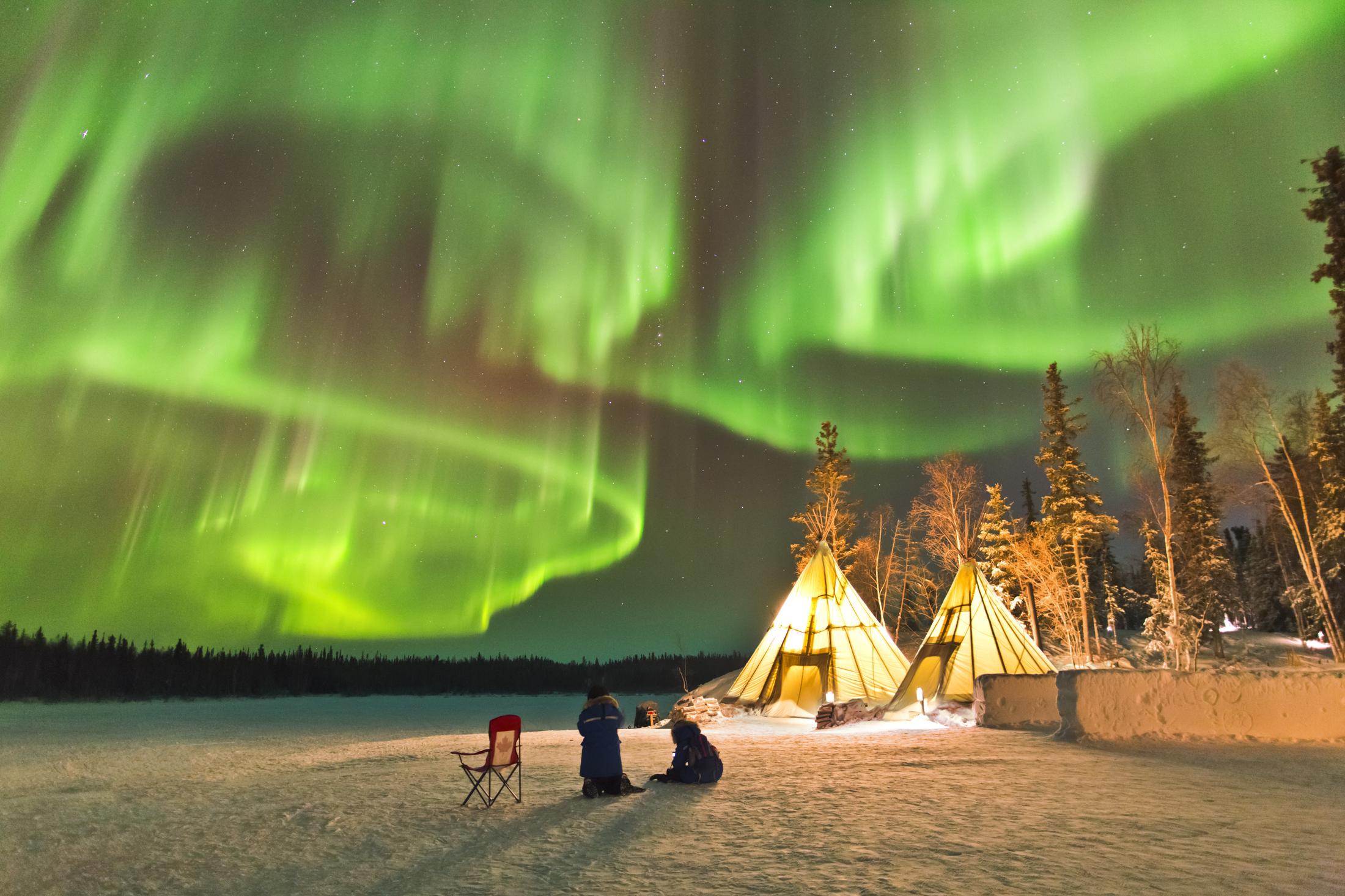
Yellowknife, the capital of Canada's Northwest Territories, sits at about 62° north. The territory's tourism board counts up to 240 nights of active aurora a year. On our 5-day Yellowknife Aurora Chase, all four nights include aurora viewing, at an aurora lodge and on guided aurora tours.
The days are for the winter activities the North is known for:
- Ice fishing on a frozen lake, with the catch fried for lunch and heated cabins to warm up in.
- A snowmobile ride, then a city tour: the Ice Road on the frozen lake, Old Town and the Bush Pilots Monument.
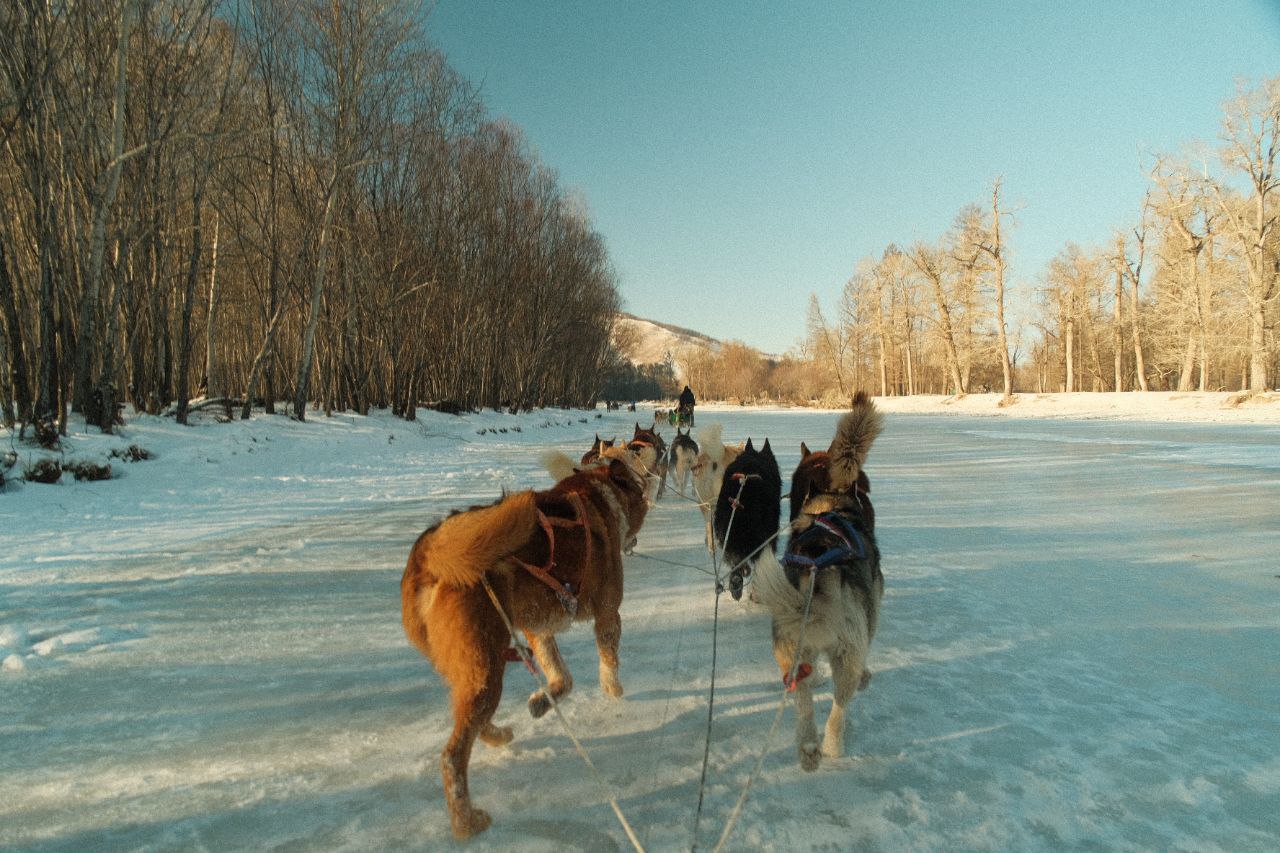
- Dog sledding, then a free afternoon in town.
You stay four nights at the Chateau Nova, a 4-star hotel, two to a room. An English-speaking guide-driver looks after the group throughout. Fly into Yellowknife Airport (YZF) for the 6pm group transfer on day 1.
It's the coldest of the four by a long way. The trip page expects −15 °C to −40 °C, and January nights average −31 °C. The air is dry, which the trip page says makes the cold easier to bear than humid cold, but you need to be comfortable outdoors below −30 °C.
Swedish Lapland: night train, icebreaker and an aurora camp
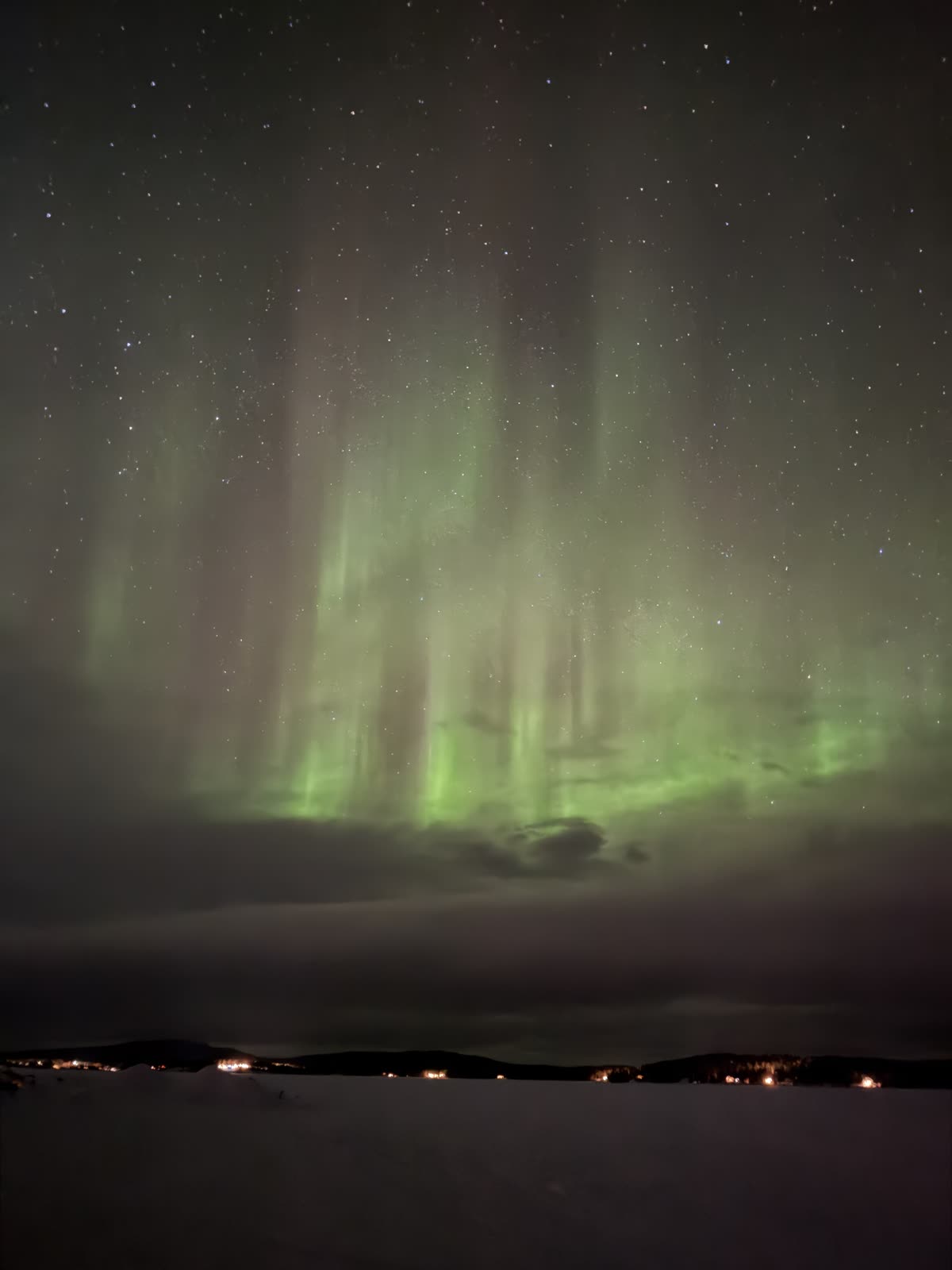
Our 7-day Swedish Lapland Adventure travels north from Stockholm, and the aurora is one of several big moments:
- Stockholm. The pickup at Arlanda airport is at 2pm.
- A free day in Stockholm, then the overnight Polar Express train north, in a shared cabin.
- Luleå. A 3-hour Nordic survival session (building an igloo, making fire), then dinner at a wilderness lodge.
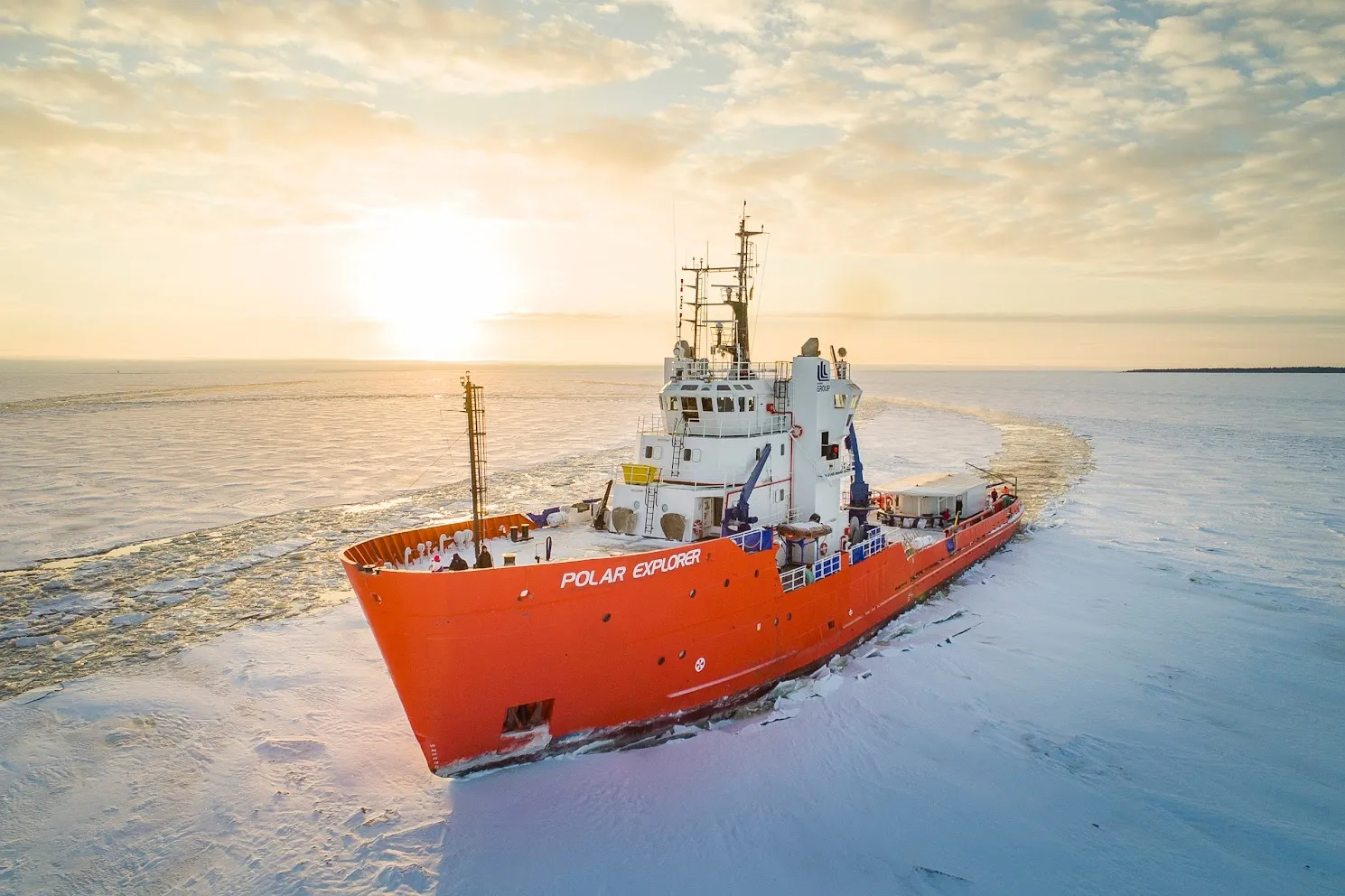
- The icebreaker. A cruise through the frozen sea, floating among the ice in a thermal survival suit, then about 4 hours by train to Kiruna and Aurora Camp Kurravaara.
- Dog sledding, a spa session and an Arctic BBQ by the fire, watching the sky.
- The IceHotel, then an afternoon flight back to Stockholm.
- Fly home after a last fika.
Two of the six nights are in the camp's lakeside cabins, which the trip page describes as built for aurora viewing. A snowshoe hike in Abisko National Park is included too, and it's the most demanding part of a relaxed trip. Kiruna averages −14 °C at night in December and −12 °C in March.
Norway: three aurora chases from Tromsø
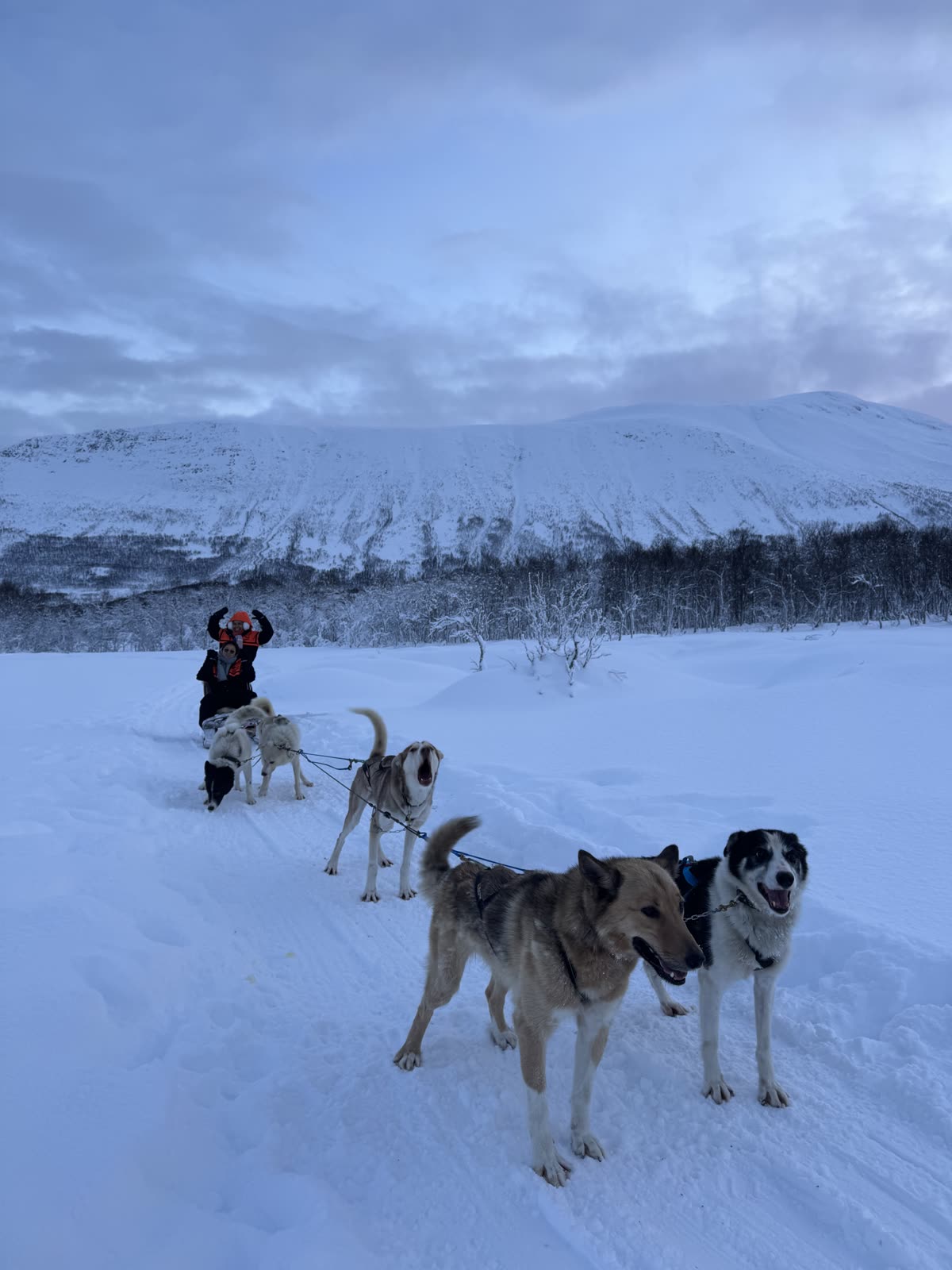
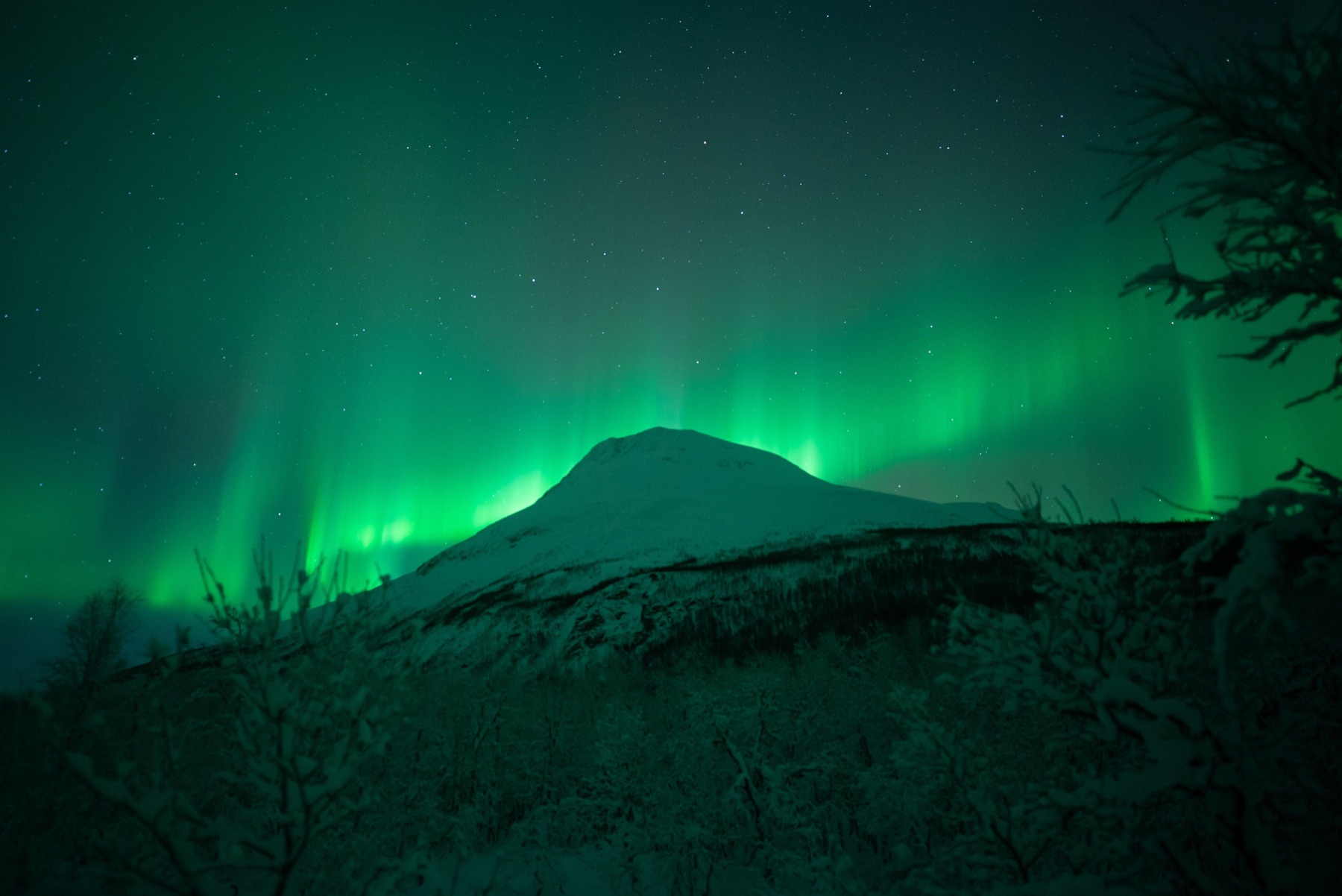
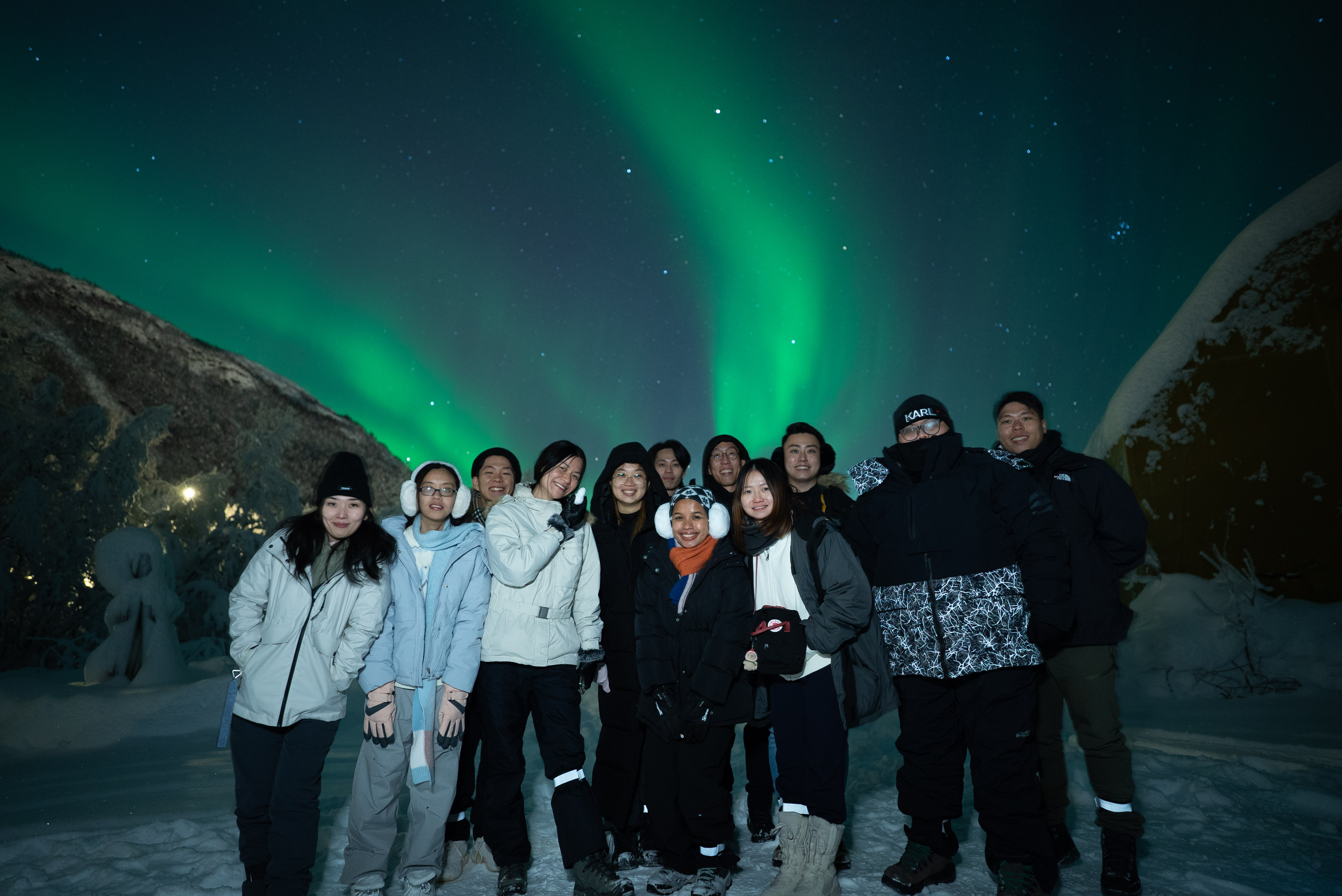
Visit Norway calls Tromsø the main hub for northern lights trips. Our 7-day Norway Northern Lights trip stays there all six nights, in a 3-star hotel, twin-sharing, and goes out after the aurora three times.
The chases are by minibus on days 2, 4 and 5. Each can last up to 10 hours, and the trip page says a night can run until 4am. The guides search for the best spot, along the coast near Tromsø or as far as Finland, and stop for a campfire meal. "We caught the Northern Lights during our first chase," wrote Christine after the November 2025 trip.
Around the chases:
- A fjord road trip to Kvaløya island, with a campfire lunch.
- Silent whale watching on the Norwegian Sea, about 9 hours, with a chance of sperm whales, humpbacks and orcas.
- Dog sledding just outside Tromsø.
- A snowmobile day in Kilpisjärvi, across the border in Finnish Lapland. Two people share each snowmobile, and the driver needs a valid driving licence.
Tromsø is the mildest of the four on paper, with an average low of −5 °C in March.
Iceland: a road trip with one aurora night
Our 8-day Iceland Explorer is a road trip first. It covers the Snæfellsnes Peninsula, the Golden Circle and the South Coast, with a lava-field hike near Grindavík, an ice cave, a glacier hike on Sólheimajökull and a soak at Laugarás Lagoon.
The aurora gets one guided session: a 4-hour northern lights tour from Reykjavík on day 3, heading for dark-sky areas, with pastries and hot cocoa. On day 2 you may see the lights from the hostel's garden or the open park around it, if the sky allows, but there's no dedicated session that night.
You sleep in hostels in four-person rooms, and breakfast is groceries bought from a shared group fund. It's the warmest of the four: in March, Reykjavík averages 3 °C by day and −2 °C at night. Choose Iceland for volcanoes, glaciers and waterfalls, with the aurora as a bonus.
Which trip to book
The lights are the reason you're going
Yellowknife. Four aurora nights in five days, and the shortest trip of the four. Pack for −30 °C.
5 days · from SGD 2,019
You want the journey as well as the lights
Swedish Lapland. Stockholm, a night train, an icebreaker, huskies, the IceHotel and two nights at an aurora camp.
7 days · from SGD 4,259
Several chases, the mildest cold
Norway. Three guided chases from Tromsø, plus whales, huskies and a snowmobile day in Finnish Lapland.
7 days · from SGD 5,669
Volcanoes and glaciers first
Iceland. An 8-day road trip with one guided aurora tour and the warmest weather of the four.
8 days · from SGD 4,729
Our northern lights trips for 2026–27
-
Yellowknife Aurora Chase: 5D4N Arctic Winter Quest
From SGD 2,019 / pax -
Swedish Lapland Adventure - Icebreaker Cruise, Aurora Camp, Polar Express Train, IceHotel
From SGD 4,259 / pax -
Norway Northern Lights - Dog Sledding, Whale Watching, Snowmobile Expedition
From SGD 5,669 / pax -
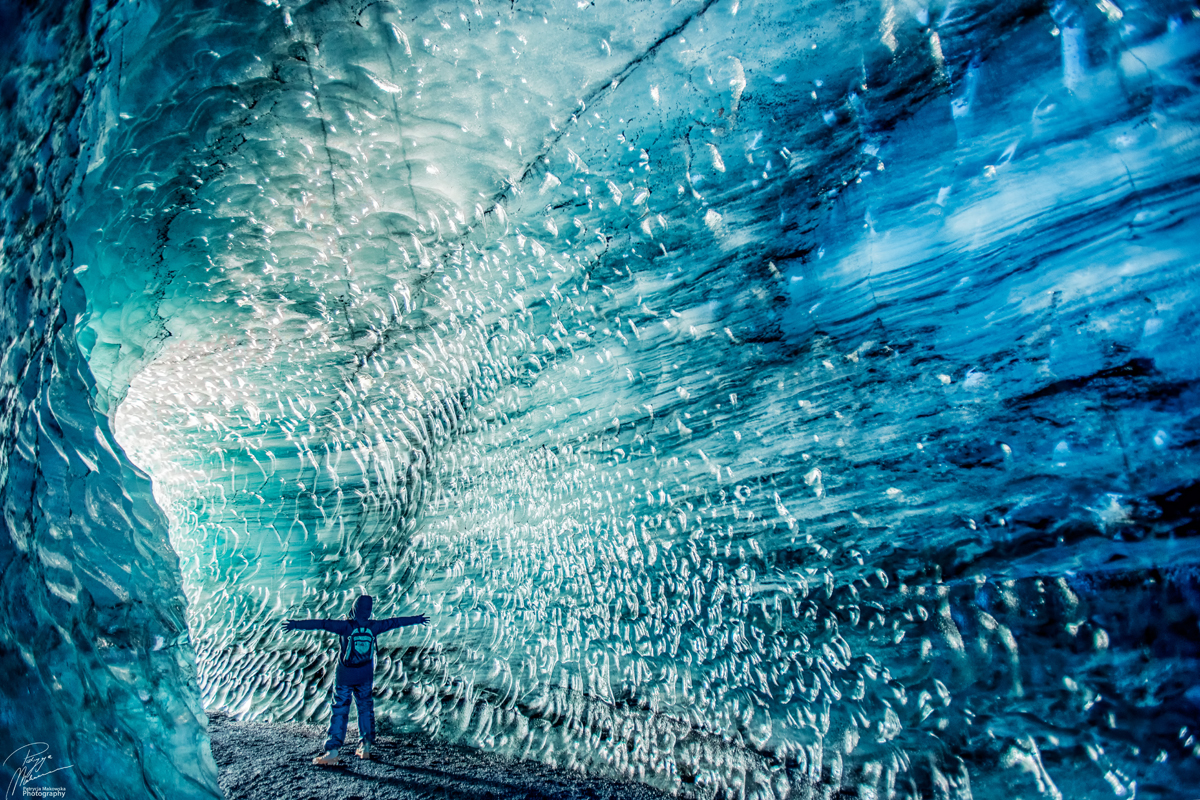
Iceland Explorer – Volcanoes, Glaciers & Thermal Wonders
From SGD 4,729 / pax
FAQ
Can you see the northern lights from Singapore?
No. Singapore is close to the equator, and the aurora shows far to the north. Our four trips go to between 62° and 70° north: Yellowknife, Reykjavík, Kiruna and Tromsø.
What is the best month to see the northern lights?
Any month from about September to March in Scandinavia, and mid-November to early April in Yellowknife. Visit Norway says March–April and September–October have the most activity on average, and Destination Canada rates February and March highly for Yellowknife. Our next departures run from early December to late March.
Is seeing the aurora guaranteed?
No. It depends on solar activity and clear, dark skies. You raise your odds with more nights out: the Northwest Territories' tourism board puts the chance over three nights in season at 98%.
How many nights do I need?
At least three nights out under the sky, if the aurora matters most. Yellowknife gives you four, Norway three chases, Swedish Lapland two nights at an aurora camp and Iceland one guided tour.
Does a full moon spoil the northern lights?
It brightens the sky, and Swedish Lapland's tourist board counts it as light pollution. This season's full moons fall on 24 December, 22 January, 20 February and 22 March, according to the US Naval Observatory.
How cold is Yellowknife in winter?
Very. In January the average high is −23 °C and the average low −31 °C, and our trip page expects −15 °C to −40 °C. You can rent a parka, insulated trousers, boots and mitts when you book.
Do you run a northern lights trip to Finland?
Not a Finland trip. Our Norway trip crosses into Finnish Lapland for a snowmobile day in Kilpisjärvi, and its aurora chases sometimes go as far as Finland.
Are flights included?
No. Each trip starts at an airport: Yellowknife (YZF), Stockholm Arlanda (ARN), Tromsø or Keflavík (KEF). After you book, we send a trip pamphlet with recommended flight options.
Traveller quotes come from Sotravel trip reviews, shown as first name and initial. Reviewers receive a small travel credit for leaving a review, whatever their rating.
Sources
- Sotravel: Yellowknife Aurora Chase trip page (weather and physical level) Checked 18 Nov 2026
- Northwest Territories Tourism: The northern lights by the numbers Checked 18 Nov 2026
- Destination Canada: The best time to see the aurora in Yellowknife Checked 18 Nov 2026
- Visit Norway: The northern lights Checked 18 Nov 2026
- Swedish Lapland Visitors Board: When to see the northern lights Checked 18 Nov 2026
- Icelandic Met Office: Aurora forecast Checked 18 Nov 2026
- US Naval Observatory: Phases of the Moon Checked 18 Nov 2026
- World Meteorological Organization: Yellowknife climate (Meteorological Service of Canada, 1971–2000) Checked 18 Nov 2026
- World Meteorological Organization: Kiruna climate (SMHI, 1991–2020) Checked 18 Nov 2026
- World Meteorological Organization: Tromsø climate (Norwegian Meteorological Institute, 1961–1990) Checked 18 Nov 2026
- World Meteorological Organization: Reykjavík climate (Icelandic Met Office, 1961–1990) Checked 18 Nov 2026